Classroom Learning: What Works, What Doesn’t, and How to Make It Matter
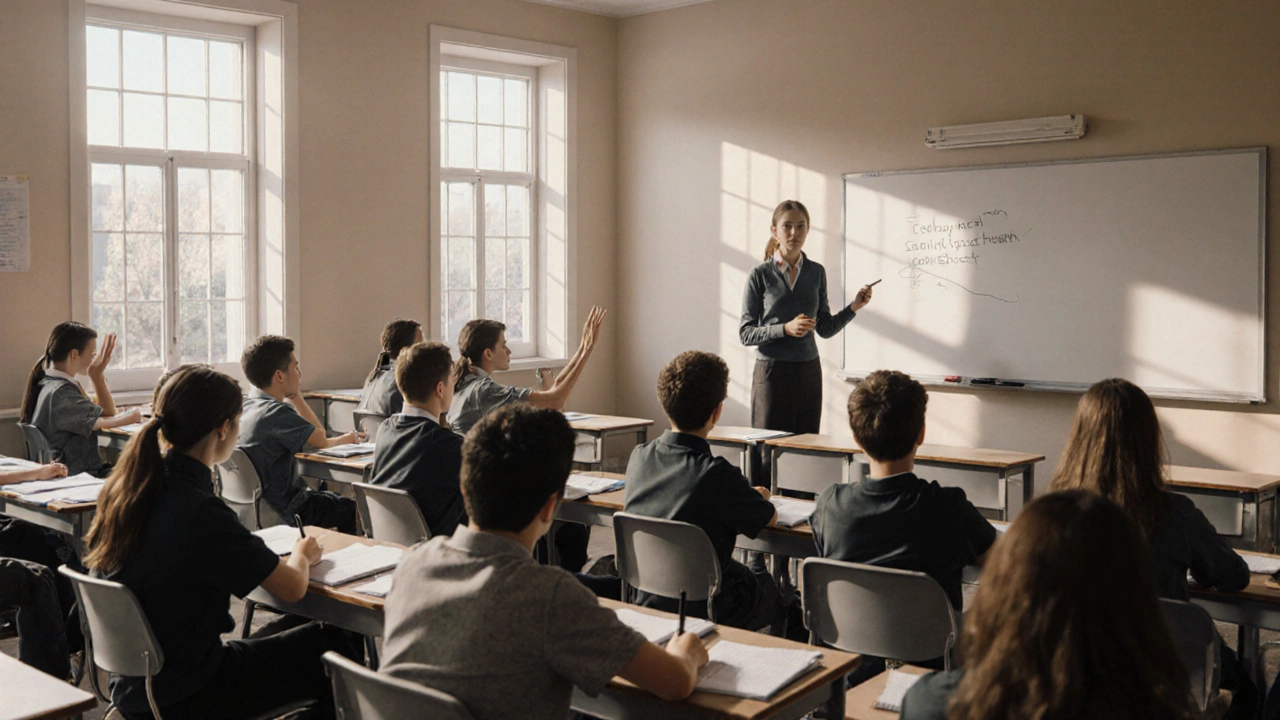
When we talk about classroom learning, the traditional method of students gathering in a physical space with a teacher to absorb lessons. Also known as in-person education, it’s the system most Indian students grow up with—from CBSE schools in Delhi to state-board colleges in Kerala. But here’s the truth: not all classroom learning is the same. Some classrooms feel alive, with students asking questions and solving problems together. Others? It’s silent rows, chalk dust, and memorization that vanishes after the exam.
What makes one classroom work and another fail? It’s not just the teacher. It’s the student engagement, how actively learners participate, respond, and connect with the material. A 2021 study by NCERT found that students in schools with interactive discussions scored 27% higher on application-based questions than those in lecture-only setups. That’s not magic—it’s design. When teachers stop talking and start listening, when students are asked to explain concepts in their own words, when mistakes are treated as stepping stones—classroom learning becomes powerful.
But let’s be real: many classrooms still operate like factories. One-size-fits-all lessons. Rote learning. Pressure to perform, not to understand. And while coaching centers in Kota or Delhi promise results, they often replace classroom learning with pure test prep—leaving students drained but not truly skilled. The real gap isn’t in resources; it’s in how time is used. A 45-minute lesson can either feel like a chore or a discovery. It depends on whether the student feels seen, heard, and challenged.
Then there’s the role of teaching methods, the strategies teachers use to deliver content and guide learning. Some still rely on textbooks and blackboards. Others use group projects, peer teaching, or real-life examples—like calculating grocery bills to teach percentages or mapping traffic patterns to explain physics. These aren’t fancy tricks. They’re how brains actually learn: by connecting new info to something familiar.
And let’s not forget the parents. Many assume classroom learning ends when the bell rings. But what happens at home matters. A kid who’s told to "just study" without context, without connection, without encouragement, will burn out. But a kid who’s asked, "What did you find interesting today?"—that’s the kind of support that turns passive learners into curious ones.
What you’ll find in this collection isn’t a defense of old-school classrooms. Nor is it a call to abandon them. It’s a look at what’s actually working—where students are thriving, where teachers are innovating, and where the system still falls short. From how competition affects focus in a packed classroom, to why some students learn coding better offline than online, these posts cut through the noise. You’ll see real stories from CBSE students, NEET aspirants, and even teachers who’ve turned dull lectures into active learning spaces. No fluff. No theory. Just what happens when classroom learning actually works—and what happens when it doesn’t.
What Is the Difference Between Classroom Learning and eLearning?
- Myles Farfield
- 0 Comments
Classroom learning offers structure and face-to-face interaction, while eLearning provides flexibility and personal control. Discover how each works, what they cost, and which suits your learning style best.
Read more