ICSE vs CBSE: Key Differences That Actually Matter for Students
When it comes to school boards in India, ICSE, the Indian Certificate of Secondary Education board run by CISCE, focuses on detailed, language-rich learning with strong emphasis on English and practical understanding. Also known as CISCE, it’s often chosen by families planning to study abroad or in private schools. On the other side, CBSE, the Central Board of Secondary Education, follows a more structured, exam-oriented approach aligned with national competitive tests like JEE and NEET. It’s the default choice for most government and private schools across the country. These aren’t just administrative labels—they shape how students learn, what they remember, and how they perform in college entrance exams.
The real difference shows up in the syllabus. ICSE covers more topics in depth, especially in English literature and science, with projects and internal assessments playing a big role. Students read novels, write essays, and do lab work that builds communication and critical thinking. CBSE keeps things tighter, focusing on core concepts that directly feed into engineering and medical entrance exams. If your kid is aiming for IIT or AIIMS, CBSE’s alignment with JEE and NEET gives them a practical edge. But if they’re heading to a university in the UK or US, ICSE’s broader curriculum and emphasis on English fluency often make the transition smoother.
Exams are another big divider. ICSE papers are longer, more descriptive, and reward detailed answers. CBSE is all about clarity, structure, and marking schemes that favor concise, point-by-point responses. One isn’t harder—it’s just different. A student who thrives under ICSE’s open-ended style might feel boxed in by CBSE’s rigid format, and vice versa. Teachers and parents often don’t realize this mismatch until grade 10 results come out.
What about future prep? CBSE’s model papers and exam patterns mirror national competitive exams, so students get used to the format early. ICSE students often need extra coaching to adapt to JEE-style questions. But ICSE graduates usually handle college assignments and presentations better because they’ve spent years writing essays and analyzing texts. Neither board is "better"—it’s about matching the system to the child’s goals, learning style, and where they plan to go after school.
Below, you’ll find real insights from students and parents who’ve walked both paths. Whether you’re deciding which board to choose, helping your child switch, or just trying to understand why their study habits feel so different—this collection has the answers you won’t find in brochures.
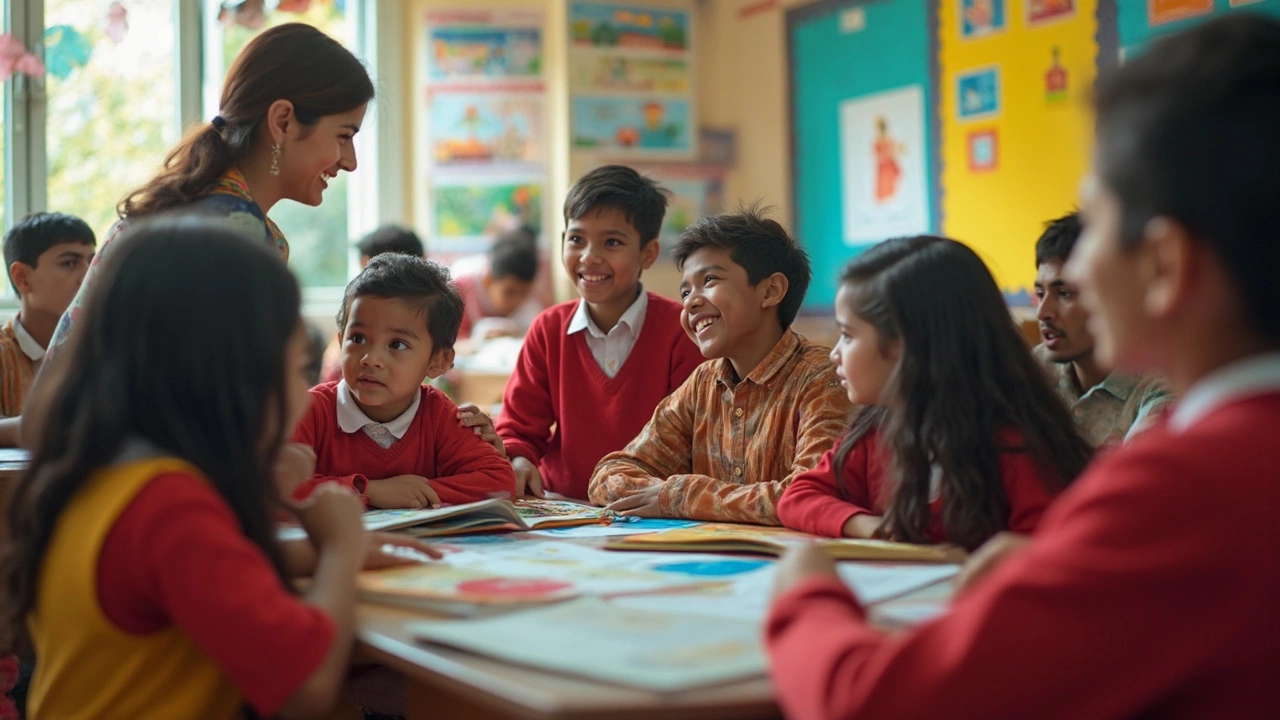
Is Delhi Public School ICSE or CBSE? Understanding Its Curriculum
- Myles Farfield
- 0 Comments
Delhi Public School, a popular choice among parents in India, offers a curriculum under the Central Board of Secondary Education (CBSE). It's essential to understand the differences between CBSE and ICSE to make informed decisions about school enrollments. Parents often seek CBSE for its nationalized approach and streamlined syllabus, while ICSE offers a wide-ranging curriculum. Knowing the specific board affiliation can help better prepare students for future academic endeavors.
Read more