Normal School: What It Is and Why It Matters for Teachers in India
When you think of a normal school, a training institution for teachers that focuses on practical teaching methods and classroom management. Also known as teacher training college, it was the first formal way to turn passionate people into skilled educators. These weren’t fancy universities—they were practical, hands-on places where future teachers learned how to stand in front of a room, explain fractions to ten-year-olds, and keep order without yelling. In India, normal schools started in the 1800s under British rule, but they became truly important after independence, when the country needed thousands of teachers to educate a growing population. They weren’t about memorizing theories; they were about doing—teaching mock lessons, grading papers, managing behavior—all under the watch of experienced mentors.
The real power of a normal school lies in what it produces: teachers who know how to teach. You don’t become a good teacher by reading books alone. You learn by watching, practicing, failing, and trying again. That’s what normal schools gave students—real experience before they ever walked into a government school. Today, those institutions have evolved into B.Ed colleges and DIETs (District Institutes of Education and Training), but the core idea hasn’t changed. If you want to teach in India, especially in rural or public schools, this kind of training still matters. It’s the difference between someone who knows math and someone who can make a child who’s scared of numbers actually enjoy it. And it’s not just about pedagogy—it’s about understanding local challenges: overcrowded classrooms, lack of resources, multilingual students. Normal school training prepares you for that reality, not a textbook ideal.
Modern teaching jobs in India—from CBSE schools to state-run anganwadis—still look for candidates with formal training. Even if you’re learning online, the best courses still borrow from normal school principles: observation, reflection, practice. If you’re thinking about becoming a teacher, don’t skip the basics. Look for programs that include classroom internships, lesson planning feedback, and student teaching. That’s the legacy of the normal school—and it’s still the most reliable path to becoming a teacher who actually makes a difference.
Below, you’ll find real guides from teachers, trainers, and students who’ve walked this path. Whether you’re wondering how to get into teacher training, what the exams are like, or how to survive your first year in a classroom, these posts have the answers—not theory, but what actually works.
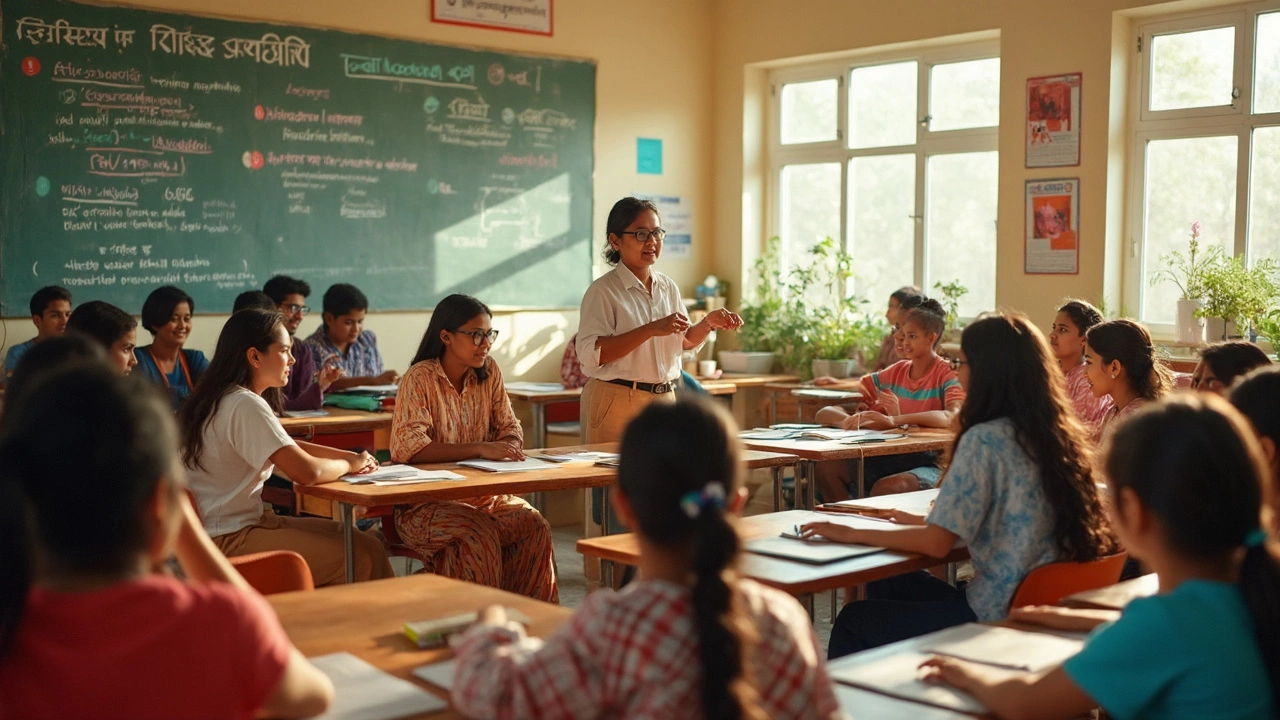
Teacher Training School: What Is It Also Called?
- Myles Farfield
- 0 Comments
Wondering what a teacher training school is also called? This article unpacks the common alternative names and explains why each term matters. You'll find out how these institutions work, how they're set up around the world, and what makes them unique. Get tips for spotting the best programs and learn a few surprising facts about the history of teacher training. Perfect for anyone curious about how teachers actually learn to teach.
Read more