
Find Your Best E-Learning Platform
Not sure where to start? Answer these three questions to get a personalized recommendation based on your goals, budget, and learning style.
You scroll through your phone at midnight. You see an ad for a coding bootcamp. Then another for a marketing certification. Then one promising financial freedom in thirty days. It’s overwhelming. The internet is flooded with places to learn, but not all of them are created equal. Some teach you skills that actually get you hired. Others just sell you certificates that gather dust on your shelf.
Finding the best e-learning platform isn’t about picking the most famous name. It’s about matching the tool to your specific goal. Are you trying to pivot careers? Upskill for your current job? Or just satisfy a curiosity about pottery or Python? The answer changes everything. In 2026, the landscape has shifted again. AI tutors are standard, micro-credentials are replacing degrees in some fields, and the gap between free and paid content is blurring. Here is how to cut through the noise and find the right fit for you.
Defining Your Learning Goal First
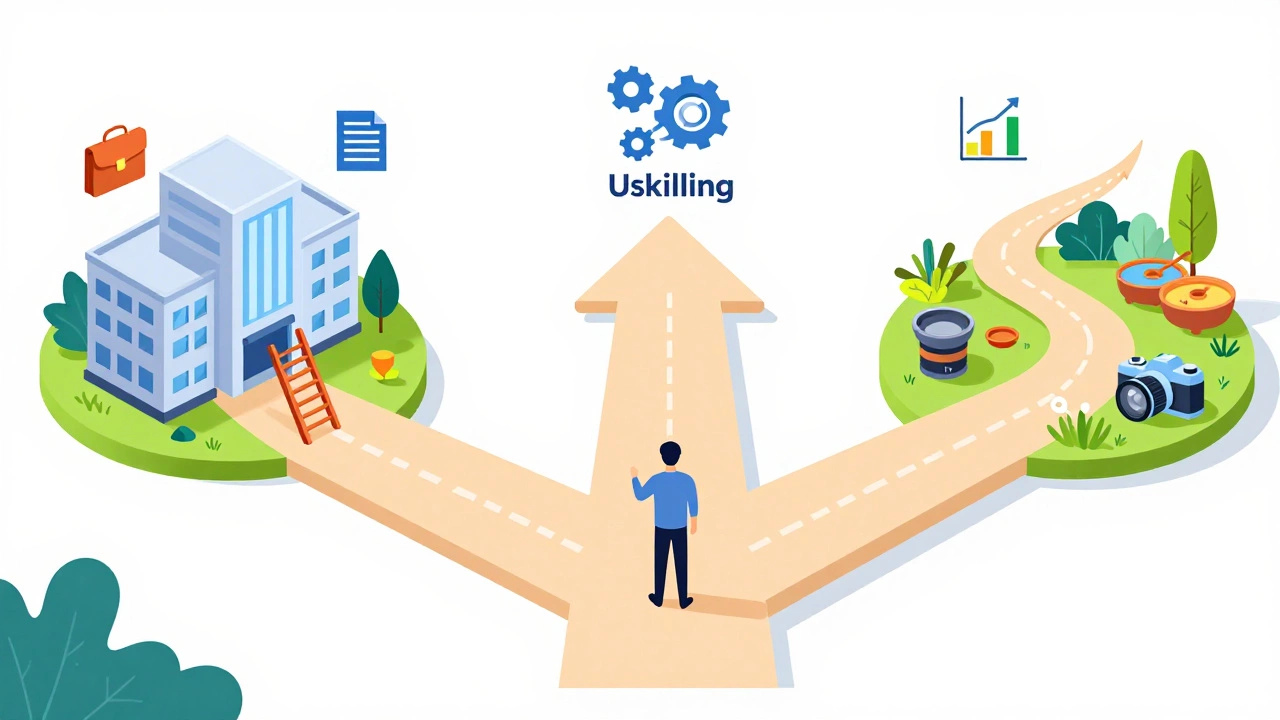
Before you look at a single website, you need to ask yourself what you actually want. Most people skip this step. They sign up for a generalist platform because it has good reviews, only to realize six months later that the content doesn’t help them achieve their specific outcome.
Career Switchers need depth. You aren’t looking for a ten-minute video on Excel shortcuts. You need a structured curriculum that mimics a real-world project. You need mentorship. You need a portfolio piece that proves you can do the job.
Professionals Upskilling need efficiency. You have a day job. You don’t have time for fluff. You need targeted modules that address a specific gap in your knowledge, like understanding GDPR compliance or mastering a new software update. Speed and relevance are key here.
Hobbyists and Curious Learners need variety and inspiration. You might start with photography and end up studying history. You need a platform with a broad library where you can dip in and out without committing to a rigid semester schedule.
If you don’t define this now, you will bounce from platform to platform, spending money and time without making progress. Write down your goal. Be specific. "Learn data science" is vague. "Build three predictive models using Python and SQL to apply for junior analyst roles" is actionable.
The Big Three: Generalist Giants
When people talk about online learning, they usually mean the big three. These platforms have the largest libraries and the most brand recognition. They are safe bets, but they come with trade-offs.
| Platform | Best For | Credential Value | Cost Model |
|---|---|---|---|
| Coursera | University-backed degrees and professional certificates | High (recognized by employers) | Subscription or per-course fee |
| Udemy | Niche, practical skills taught by independent experts | Low (certificate of completion only) | Pay-per-course (frequent sales) |
| edX | Academic rigor and non-profit university courses | High (especially for MIT/Harvard content) | Audit for free, pay for certificate |
Coursera is the go-to for those who want academic weight behind their learning. It partners with universities like Stanford and companies like Google. If you need a credential that looks good on LinkedIn and gets past HR filters, this is often the place to go. The downside? The pacing can be slow. You are stuck in a cohort model that feels like traditional college, which can be frustrating if you just want to learn quickly.
Udemy is a marketplace where anyone can teach anything. This means quality varies wildly. You have to dig through reviews to find the gold. But when you find a great instructor, the value is incredible. You buy one course, you own it forever. There is no subscription fatigue. It is perfect for learning a specific tool, like Photoshop or React, from someone who uses it daily.
edX is the academic sibling of Coursera, founded by Harvard and MIT. It leans harder into theory and less into corporate training. If you are interested in computer science fundamentals, economics, or public health, edX offers some of the best content available, often for free if you don’t need the verified certificate.
Specialized Platforms for Specific Skills
Generalist platforms are like supermarkets. You can find everything, but nothing is curated for your specific diet. Specialized platforms are like gourmet shops. They focus on one thing and do it exceptionally well.
If you are learning to code, stay away from Udemy for your first steps. Go to Codecademy or freeCodeCamp. These platforms force you to type code immediately. You cannot just watch a video and nod along. The interactive environment catches your syntax errors before they become bad habits. For advanced developers, Pluralsight is the industry standard. It assesses your skill level and creates a path to fill your gaps. It is expensive, but companies often pay for it because it tracks employee progress so well.
For creative skills, Skillshare dominates. It is built around short, project-based classes. You don’t sit through hour-long lectures. You watch twenty minutes of instruction, then you make something. The community aspect is strong; you share your work, get feedback, and see what others are creating. It keeps you motivated because you are part of a tribe, not just a number in a database.
Business professionals should look at Lindaiinweber.com or niche sites like Copyblogger for marketing, or Wall Street Prep for finance. These are taught by practitioners, not professors. They teach you what works in the real world today, not what worked in 1995.
The Rise of AI-Powered Learning
In 2026, the biggest change in e-learning is artificial intelligence. It is no longer a gimmick. It is integrated into the core experience. Platforms like Khan Academy have evolved with Khanmigo, an AI tutor that answers your questions as you study. It doesn’t give you the answer. It guides you to it, Socratic-style.
This changes how you learn. You no longer get stuck for hours waiting for a forum reply. You get instant clarification. However, there is a risk. Relying too much on AI can create a false sense of competence. You might understand the explanation given by the bot, but fail when asked to apply it without hints. Use AI as a tutor, not a crutch. Always test yourself without the aid afterward.
Newer platforms like Outschool use AI to match students with small group classes based on learning style. It is popular for younger learners, but the technology is trickling down to adult education. Expect more personalized paths in the coming year.

Evaluating Cost vs. Value
Price is a major factor, but it is deceptive. A $20 course on Udemy seems cheap. But if it is outdated, that $20 is wasted. A $39/month subscription to Coursera seems expensive. But if you take two courses, you save hundreds compared to buying them individually.
Here is a simple rule of thumb:
- If you are unsure about the topic, start with the free audit option on edX or Coursera.
- If you need a job-ready skill, invest in a specialized platform or a highly-rated Udemy course with recent updates.
- If you need a credential for promotion, choose the platform recognized by your industry (often Coursera or LinkedIn Learning).
Don’t fall for the "buy once, learn forever" trap if the content becomes obsolete. In tech and digital marketing, a course from 2023 might already be wrong. Check the last updated date. If it is older than six months for technical subjects, keep looking.
How to Actually Finish What You Start
The biggest problem with e-learning is not finding the platform. It is finishing the course. Completion rates hover around 15% across most platforms. Why? Because life gets in the way. And because self-paced learning requires immense discipline.
To beat the odds, treat your learning like a job. Schedule it. Put it in your calendar. "Tuesday 7 PM: Module 3." If you don’t schedule it, it won’t happen. Join a study group. Accountability partners double your chances of success. Finally, focus on output, not input. Don’t just watch videos. Build projects. Write summaries. Teach what you learned to someone else. Active engagement cements knowledge far better than passive consumption.
Is a certificate from an e-learning platform worth it?
It depends on your industry. In tech, your portfolio matters more than the certificate. In healthcare or finance, accredited certificates are often required. For general business skills, certificates show initiative and can help pass HR screening algorithms, but they rarely guarantee a job on their own.
What is the difference between Coursera and Udemy?
Coursera partners with universities and corporations to offer structured, academic-style courses with high-value credentials. Udemy is a marketplace where individual instructors sell practical, niche courses. Coursera is better for career pivots requiring formal recognition; Udemy is better for quick, specific skill acquisition.
Are free e-learning platforms as good as paid ones?
Often, yes. Platforms like edX and Khan Academy offer world-class content for free. The main difference is access to graded assignments, certificates, and direct instructor support. If you are self-disciplined, you can learn almost anything for free. Pay for convenience and credentials, not necessarily for better teaching.
Which platform is best for learning to code?
For beginners, Codecademy or freeCodeCamp are excellent because they are interactive. For comprehensive, career-focused training, consider a bootcamp-style program on Coursera (like the Meta Front-End Developer Certificate) or a specialized platform like Pluralsight for deeper technical dives.
How do I choose between a subscription and pay-per-course?
Choose a subscription (like Coursera Plus or LinkedIn Learning) if you plan to take multiple courses in a short period. Choose pay-per-course (like Udemy) if you only need one specific skill and want to own the content permanently without recurring fees.
