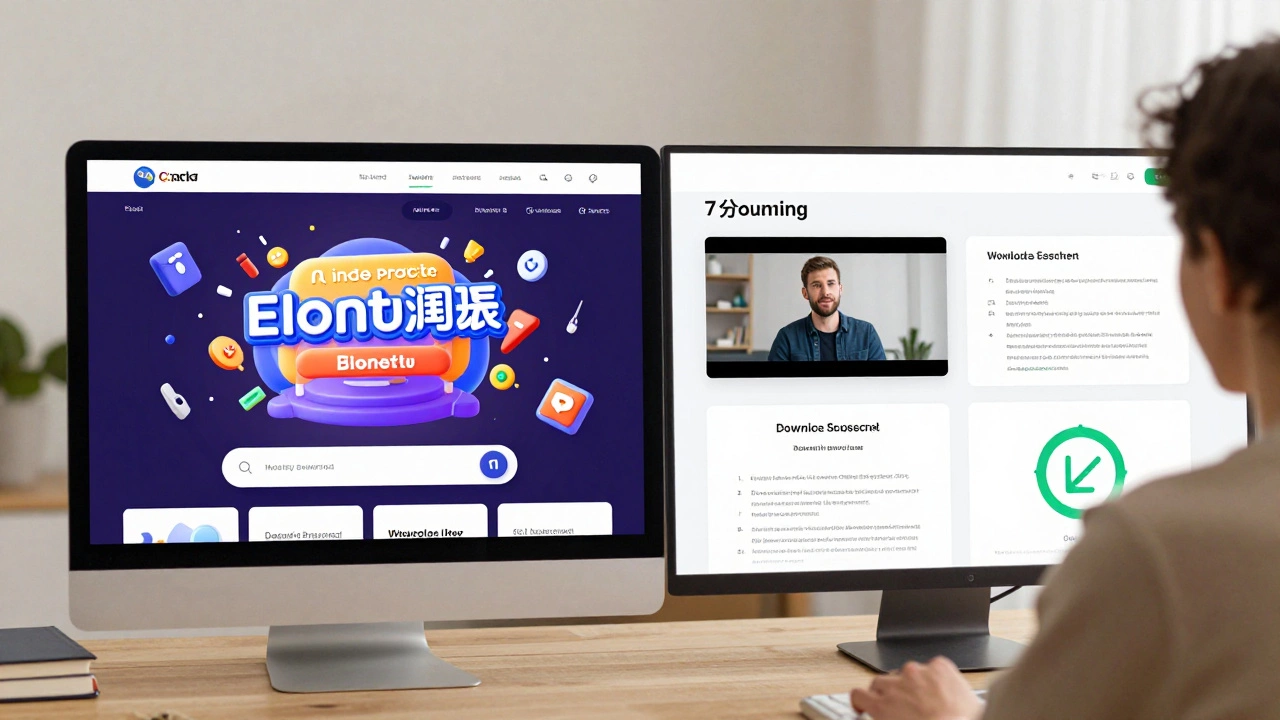
eLearning Platform Cost Calculator
Estimated Cost Range
Note: Costs include setup, hosting, and basic customization. Additional features may increase costs.
What to Expect
- Time to launch 3-6 months
- Monthly maintenance $0-$50
- Revenue potential $500-$15,000+/month
Key Considerations
Recommendation: Most successful platforms start with existing LMS solutions ($50-$500/month) to focus on content creation rather than development.
Remember: The article states that "most people spend between $500 and $5,000 in the first year, including tools, content creation, and marketing."
Building an online eLearning platform isn’t just about uploading videos and calling it a day. It’s about creating a system that keeps learners engaged, tracks progress, and delivers real results. If you’re thinking about launching your own platform, you’re not alone. More than 12 million learners worldwide used custom-built eLearning platforms in 2025, according to the Global eLearning Report. But most fail because they skip the fundamentals. Here’s how to do it right.
Start with a clear purpose
Before you write a single line of code or pick a tool, ask: Who are you serving, and what problem are you solving? Are you helping high school students prep for college entrance exams? Are you training corporate employees on compliance? Are you teaching guitar to adults over 50? Each audience needs a different structure.
For example, a platform built for medical professionals needing continuing education will need certification tracking, downloadable PDFs, and quiz banks with real case studies. A platform for kids learning coding needs gamified lessons, progress badges, and parent dashboards. If you don’t nail this first, nothing else matters.
Choose between building or buying
You have two paths: build from scratch or use an existing platform. Most beginners go with the second option-and for good reason.
Building from scratch gives you full control. You can design every feature, integrate with any third-party tool, and own all the data. But it takes time. A basic platform with user accounts, video hosting, and quizzes can take 6-12 months and cost $50,000-$150,000 if you hire developers. Only do this if you have a team, funding, and a unique tech edge.
Using an LMS (Learning Management System) is faster and cheaper. Tools like Moodle is an open-source learning management system used by over 200 million learners globally. Also known as Moodle LMS, it was first released in 2002 and has since been customized by universities, nonprofits, and small businesses. or LearnDash is a WordPress plugin that turns any site into a full-featured eLearning platform. Also known as LearnDash LMS, it was launched in 2014 and powers over 80,000 course websites. let you launch in days. They handle user registration, payment processing, certificates, and even mobile apps. You focus on content, not code.
Core features every platform needs
Even if you use a platform like Moodle or LearnDash, you still need to configure these five essentials:
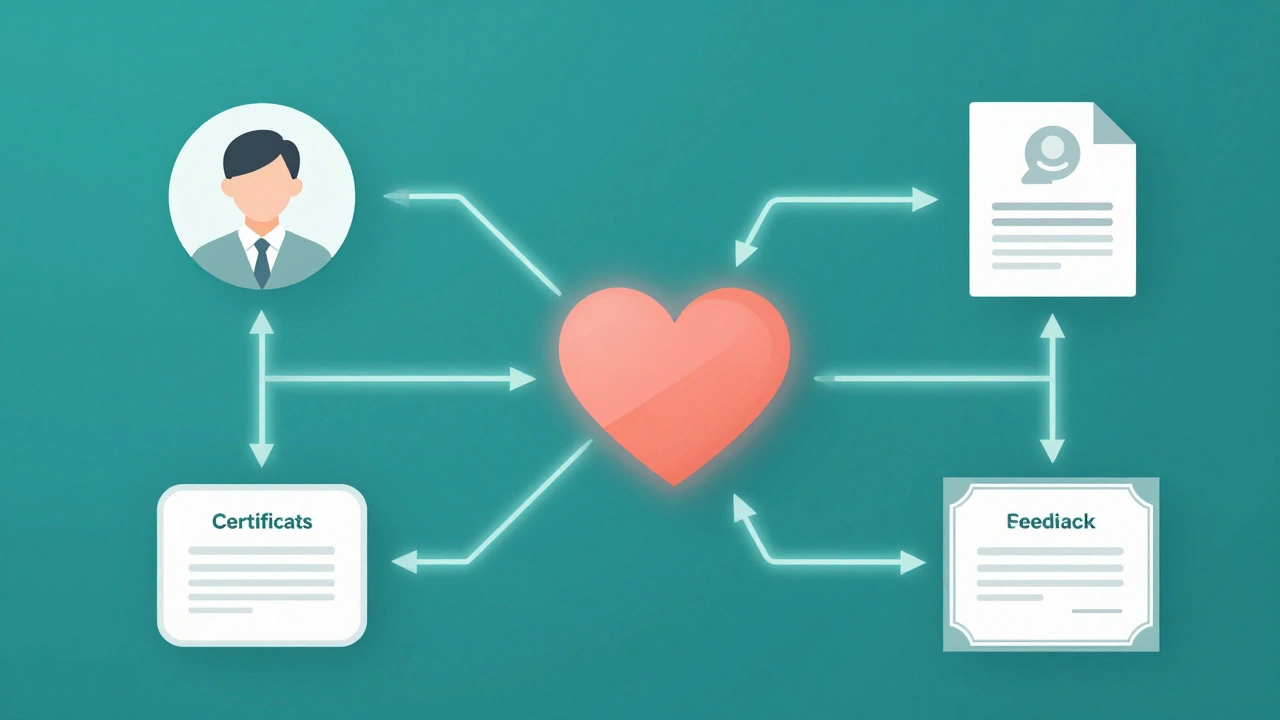
- User profiles - Each learner should have a dashboard showing enrolled courses, progress, and certificates.
- Course creation tools - Upload videos, PDFs, quizzes, and assignments. Support SCORM and xAPI standards so your content works across systems.
- Progress tracking - Show completion percentages, quiz scores, and time spent. Learners need feedback to stay motivated.
- Payment integration - Accept credit cards, PayPal, and even crypto if you’re targeting global users. Use Stripe or PayPal Commerce for seamless checkout.
- Certificates - Automatically generate downloadable certificates upon course completion. Add your logo and a verification link so employers can check them.
Don’t overload your platform with bells and whistles. No one needs a live chatbot or AI tutor on day one. Start simple. Add features as you get feedback.

Content is your biggest asset
A platform with 100 boring courses won’t grow. One with 5 great courses will go viral.
Here’s how to make content that sticks:
- Break lessons into 5-12 minute chunks. Attention spans are short.
- Use real examples. Instead of saying "This formula works," show how a small business used it to cut costs by 30%.
- Add downloadable worksheets or templates. People love actionable takeaways.
- Include short assessments after each module. Multiple choice, drag-and-drop, or short answers keep learners active.
- Let users comment on lessons. Community builds loyalty.
One platform, Teachable is a cloud-based eLearning platform that lets creators sell courses without technical skills. Also known as Teachable LMS, it was founded in 2010 and hosts over 3 million courses., grew because their instructors focused on niche topics like "How to Fix a Leaky Faucet in 7 Minutes" instead of "Plumbing 101." Specificity wins.
Marketing your platform
Building it is half the battle. Getting people to use it is the other half.
Start with free value:
- Create a free mini-course (3 lessons) and give it away in exchange for emails.
- Post short video clips on TikTok, YouTube Shorts, or Instagram Reels showing "a day in the course."
- Partner with influencers in your niche. Offer them free access in exchange for honest reviews.
- Run targeted ads on LinkedIn (for professionals) or Facebook (for hobbyists).
Track what works. Use Google Analytics or your LMS’s built-in stats. If 70% of users drop off after Lesson 2, fix Lesson 2-not the payment page.
Keep improving
Platforms that stop evolving die. Listen to your users.
Send a simple survey every quarter:
- What’s one thing you wish this course had?
- Did you complete the course? Why or why not?
- Would you recommend this to a friend?
Use their answers. Maybe they want mobile offline access. Maybe they need audio-only versions. Maybe they want group challenges. Small changes add up.
Also, update content regularly. Outdated info kills trust. If you teach Excel 2019, upgrade to Excel 2025 features. If you teach Python, switch from 3.8 to 3.12. Keep it fresh.
What to avoid
Here are the top three mistakes people make:
- Trying to do everything at once - Don’t launch with 50 courses. Start with 3-5 and expand.
- Ignoring mobile users - Over 65% of learners access courses on phones. Test your platform on iOS and Android.
- Not having a support system - If users can’t get help, they leave. Add a help center, FAQ, or live chat. Even a simple email reply system works.
One founder built a platform for yoga teachers. She spent $12,000 on fancy animations and 3D interfaces. No one used it. She rebuilt it with plain videos, downloadable PDFs, and a simple quiz. Sales jumped 400% in two months.
Final checklist
Before you launch:
- ✅ Do you know exactly who your learner is?
- ✅ Have you chosen an LMS that fits your budget and skill level?
- ✅ Are your first 3 courses high-quality and specific?
- ✅ Can users enroll, pay, and get a certificate in under 90 seconds?
- ✅ Do you have a way to collect feedback?
If you answered yes to all, you’re ready. Launch. Learn. Improve.
Do I need to know how to code to create an eLearning platform?
No. Tools like Teachable, Thinkific, and LearnDash let you build a full platform with drag-and-drop editors. You only need coding if you want deep customizations like real-time chat, AI tutors, or complex data integrations. Most successful platforms start without code.
How much does it cost to launch an eLearning platform?
It can range from $0 to $100,000+. Free options like Moodle require hosting ($5-$20/month) and setup time. Paid platforms like Thinkific start at $39/month. If you hire developers to build a custom system, expect $50,000-$150,000. Most people spend between $500 and $5,000 in the first year, including tools, content creation, and marketing.
Can I sell courses on multiple platforms at once?
Yes. Many creators use platforms like Udemy for discovery and their own site for higher profits. Udemy takes 50% of sales. On your own platform, you keep 85-95%. Use tools like Zapier to sync student data across systems. Don’t rely on one platform alone.
What’s the best way to keep learners coming back?
Build community and consistency. Add weekly live Q&As, discussion forums, or challenges. Send emails with new tips or bonus content. Offer tiered memberships-free access to basics, paid for advanced modules. People return when they feel part of something, not just when they’re buying a course.
How do I protect my course content from being copied?
You can’t fully stop copying, but you can make it hard. Use watermarks on videos, disable downloads for premium content, and require login access. Add unique identifiers to each user’s account so you can trace leaks. Most importantly, keep updating your content. Pirated versions become outdated fast. Fresh material keeps paying.
