Interactive History of Distance Learning
Explore the evolution of remote education from postal mail to AI-driven platforms. Click on each era to see key details.
You might think that distance learning is a modern invention, born out of necessity during the pandemic years. It feels like something that popped up overnight when schools closed their doors. But if you look closer, you’ll see that people have been trying to teach each other across miles for over two centuries. The idea isn’t new; only the technology has changed.
So, when did distance learning actually start? The answer takes us back to the mid-19th century, long before computers or even telephones existed. It began with ink, paper, and the postal service. Understanding this timeline helps us appreciate how far we’ve come and why today’s virtual classrooms work the way they do. It also shows that the desire to learn from anywhere is deeply human, not just a digital trend.
What was the very first form of distance learning?
The earliest recorded form of distance learning was through correspondence courses in the 1840s, where students mailed handwritten assignments to instructors who graded them by post.
The Postal Era: Teaching Through Letters
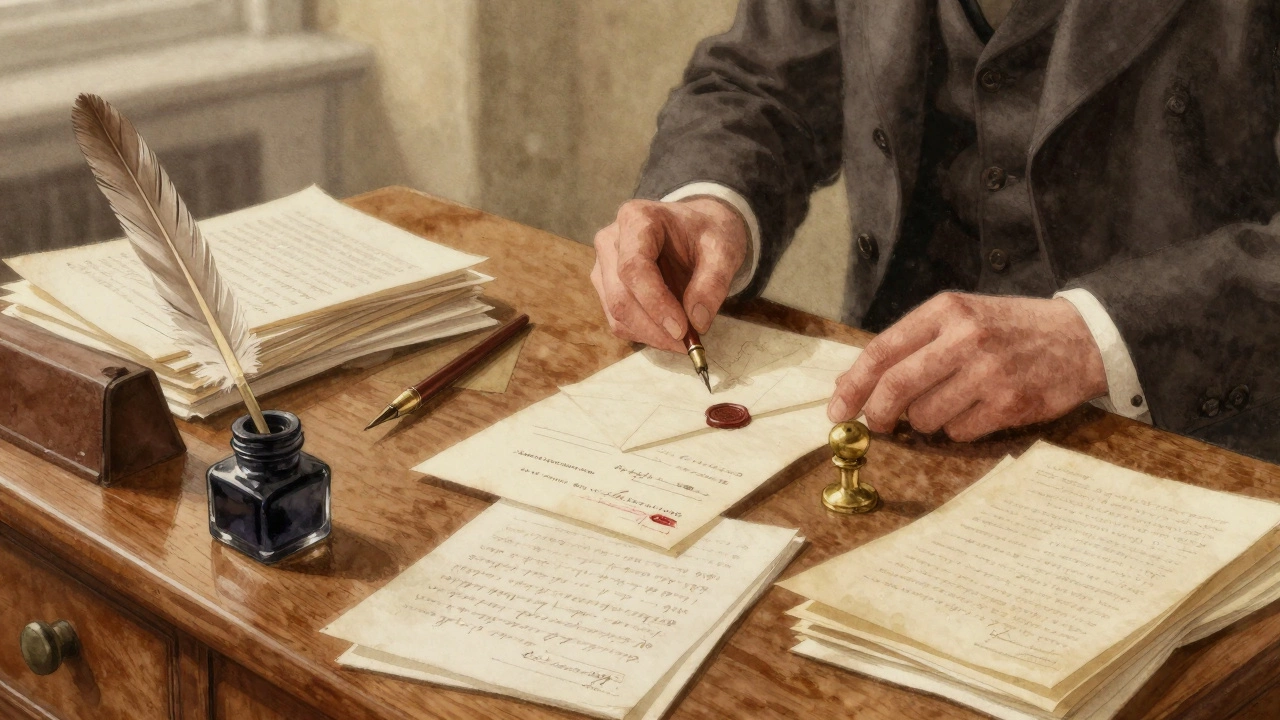
To understand the roots of remote education, you have to go back to 1840. In London, a man named Isaac Pitman published a shorthand system. He didn’t have a classroom. Instead, he sent printed lessons to subscribers via mail. Students practiced at home, wrote their exercises on paper, and mailed them back to Pitman for correction. This simple loop-send lesson, receive feedback-became the blueprint for all future distance education.
This method exploded in popularity in the United States shortly after. By the 1870s, universities like Indiana University were offering degree programs entirely through the mail. Why? Because many Americans lived on farms or in rural areas, far from any college campus. They wanted higher education but couldn’t afford to move. Correspondence courses gave them a lifeline.
Correspondence Courses are educational programs delivered through postal mail, allowing students to study independently without attending physical classes. These courses relied heavily on self-discipline and clear written instructions, as there was no real-time interaction between teacher and student.The business model was straightforward. Schools printed thick textbooks and worksheets. Students bought these materials, studied at their own pace, and sent in quizzes. Graders marked the papers and mailed them back. It was slow. A single assignment could take weeks to travel back and forth. But it worked. Millions of people earned degrees this way before the 20th century ended.
Radio and Television: Broadcasting Knowledge
As technology advanced, so did the methods of delivery. In the early 20th century, radio waves offered a faster alternative to snail mail. During World War II, the U.S. military used radio broadcasts to train soldiers in technical skills. This proved that audio instruction could be effective on a massive scale.
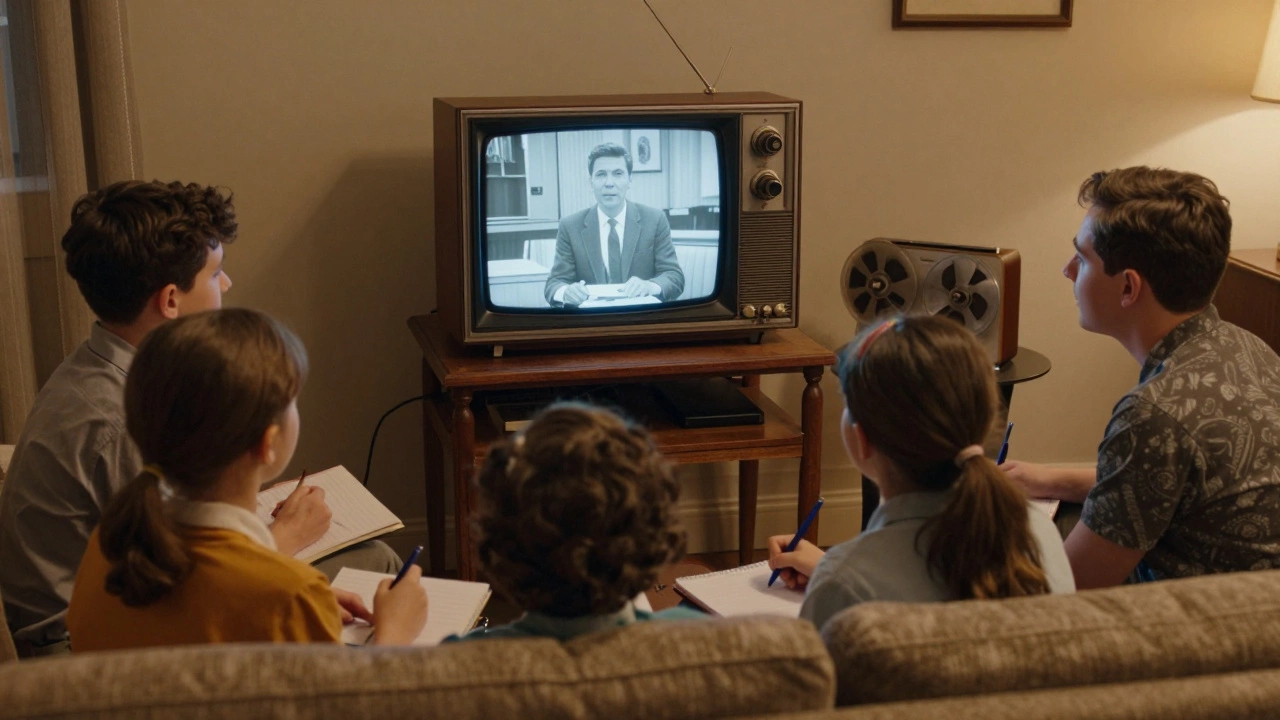
Then came television. In the 1950s and 60s, educational TV channels began popping up around the world. In the UK, the Open University launched in 1969, using both TV and radio broadcasts as core components of its curriculum. Students watched lectures at home, read accompanying booklets, and still mailed in their assignments. It was a hybrid model that bridged the gap between pure correspondence and modern interactivity.
Television allowed for richer content. You could see demonstrations, hear tone of voice, and feel more connected to the instructor. However, it remained a one-way street. You couldn’t ask a question and get an immediate answer. If you missed a broadcast, you had to wait for the next episode or rely on notes. Despite this limitation, TV education expanded access significantly, reaching millions of adults who wanted to upskill while working full-time jobs.
The Digital Revolution: From CDs to the Web
The real turning point arrived with personal computers. In the 1980s, some institutions experimented with sending course materials on floppy disks. This was faster than mail but still lacked connectivity. Then, the internet changed everything.
In 1992, the University of Illinois offered the first fully online master’s degree program. It was a small step compared to today’s standards, but it proved that digital platforms could handle complex academic requirements. Over the next decade, learning management systems (LMS) like Blackboard and Moodle emerged. These tools allowed teachers to post syllabi, host discussion forums, and grade quizzes online.
By the early 2000s, "online university" became a common term. Schools started building dedicated websites for remote students. Video conferencing tools were clunky then, requiring special hardware and high-speed connections that few households had. Still, the foundation was laid. The shift from asynchronous (mail-based) to synchronous (real-time) communication began here.
| Time Period | Primary Technology | Key Characteristic |
|---|---|---|
| 1840s-1970s | Postal Mail | Asynchronous, text-only, slow feedback loops |
| 1950s-1980s | Radio & TV | Broadcast style, one-way communication, visual aids |
| 1990s-2000s | Internet & LMS | Forums, email, downloadable resources, basic video |
| 2010s-Present | Cloud & Streaming | Live video, mobile apps, AI-driven personalization |
The Pandemic Acceleration: Normalizing Virtual Classrooms
If the 1990s planted the seeds, the 2020 global health crisis forced them to grow overnight. When lockdowns hit, schools and universities worldwide shut down physical campuses. Within days, teachers scrambled to migrate lessons to Zoom, Google Meet, and Microsoft Teams. What took decades to develop happened in weeks.
This period exposed both the strengths and weaknesses of distance learning. On one hand, it showed incredible flexibility. Students in rural areas could attend classes from major cities. Working parents could balance childcare and coursework. On the other hand, it highlighted the digital divide. Not every student had reliable Wi-Fi or a quiet place to study. Mental health issues spiked due to isolation.
Yet, the stigma around online education vanished. Before 2020, some employers viewed online degrees as less valuable. Afterward, everyone understood that remote learning required discipline and adaptability. Hybrid models became the norm, blending face-to-face interaction with digital convenience. This shift wasn’t temporary; it reshaped the entire education sector permanently.
Interestingly, while education went virtual, other sectors adapted differently. For instance, professional services often moved to local, discreet arrangements rather than global digital platforms. Some industries, like hospitality or personal companionship, maintained strong regional presences. You can find examples of such localized directories, such as this resource, which operate on principles of direct, verified connections within specific cities like Almaty, contrasting sharply with the borderless nature of online education.
Current Trends: AI and Personalized Learning
Today, distance learning is entering a new phase driven by artificial intelligence. Platforms now use algorithms to analyze how students learn. If you struggle with math problems, the system detects your pattern and offers extra practice. If you breeze through history readings, it speeds up the pace. This personalization was impossible in the mail-in era.
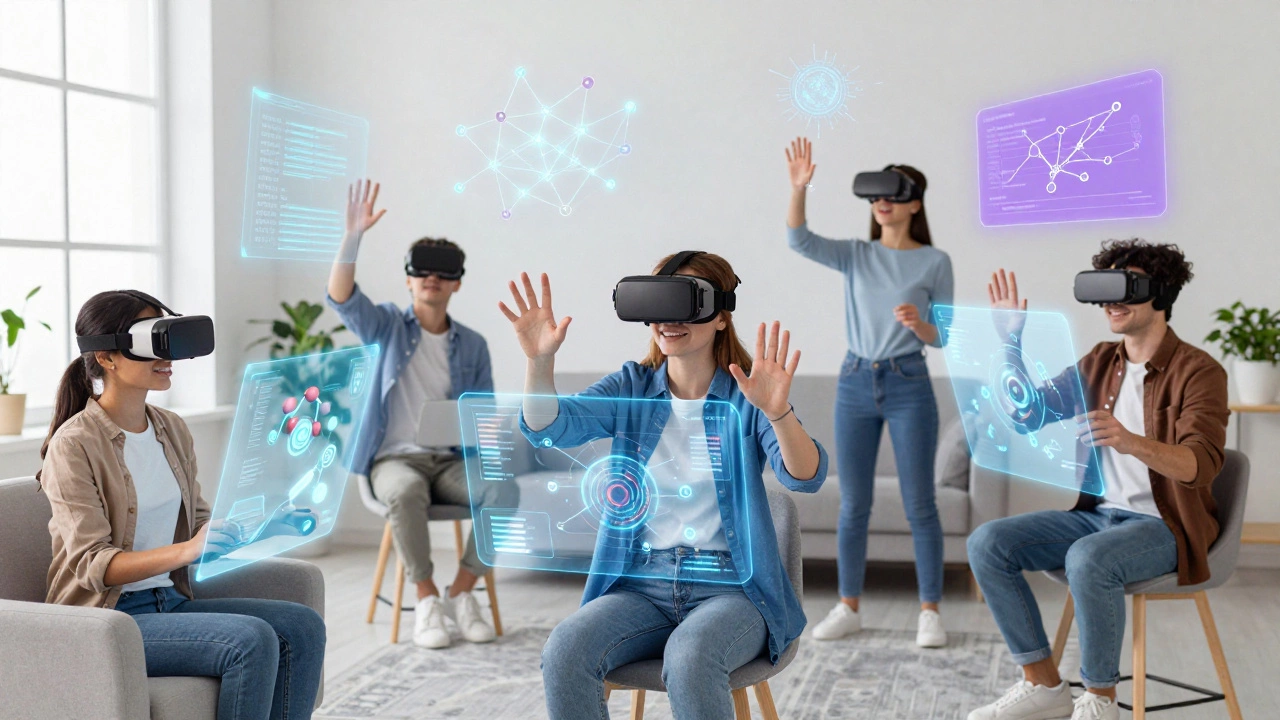
Virtual Reality (VR) and Augmented Reality (AR) are also making inroads. Medical students can perform virtual surgeries. Engineering students can dissect complex machines in 3D space. These immersive experiences bring hands-on training into the living room, addressing one of the biggest criticisms of remote education: lack of practical application.
Micro-credentials and nanodegrees are gaining traction too. Instead of spending four years on a traditional degree, professionals take short, focused courses to update specific skills. This modular approach fits better with fast-changing job markets. Companies value competency over diploma length, encouraging learners to pick exactly what they need.
Challenges That Remain
Despite technological leaps, distance learning still faces hurdles. Motivation is the biggest one. Without a teacher standing behind you, it’s easy to procrastinate. Dropout rates in online programs often exceed those in physical classrooms. Successful remote learners need strong time-management skills and self-awareness.
Social connection is another issue. College isn’t just about academics; it’s about networking, friendship, and community. Online forums can’t fully replicate hallway conversations or group study sessions. Institutions are trying to solve this with virtual clubs and mentorship programs, but the sense of belonging remains harder to build digitally.
Finally, assessment integrity is a constant battle. How do you ensure the person taking the exam is the same person enrolled? Proctoring software uses webcams and AI to monitor behavior, but it raises privacy concerns. Finding a balance between security and trust is an ongoing challenge for educators.
Conclusion: The Future Is Flexible
Distance learning started with letters and stamps. Now it runs on fiber optics and cloud servers. The medium has changed, but the goal remains the same: removing barriers to knowledge. As we look ahead, expect even more integration of AI, greater accessibility for disabled learners, and continued blending of online and offline experiences.
The history of distance learning teaches us that education doesn’t require walls. It requires commitment, clear communication, and the right tools. Whether you’re studying via mail in 1850 or via VR in 2030, the core principle holds true: learning happens wherever you are, as long as you’re willing to engage.
Who invented the first correspondence course?
Isaac Pitman is credited with starting the first successful correspondence course in 1840 in London, teaching shorthand via postal mail.
When did online universities become popular?
Online universities gained significant popularity in the late 1990s and early 2000s, following the widespread adoption of the internet and learning management systems.
Is distance learning as effective as traditional classroom learning?
Research shows that distance learning can be equally effective if designed well, though success depends heavily on student motivation and access to reliable technology.
What role did television play in distance education?
Television allowed for visual and auditory instruction, enabling institutions like the Open University to broadcast lectures to mass audiences in the 1960s and 70s.
How has AI changed modern distance learning?
AI enables personalized learning paths, automated grading, and adaptive content delivery, tailoring the educational experience to individual student needs.
