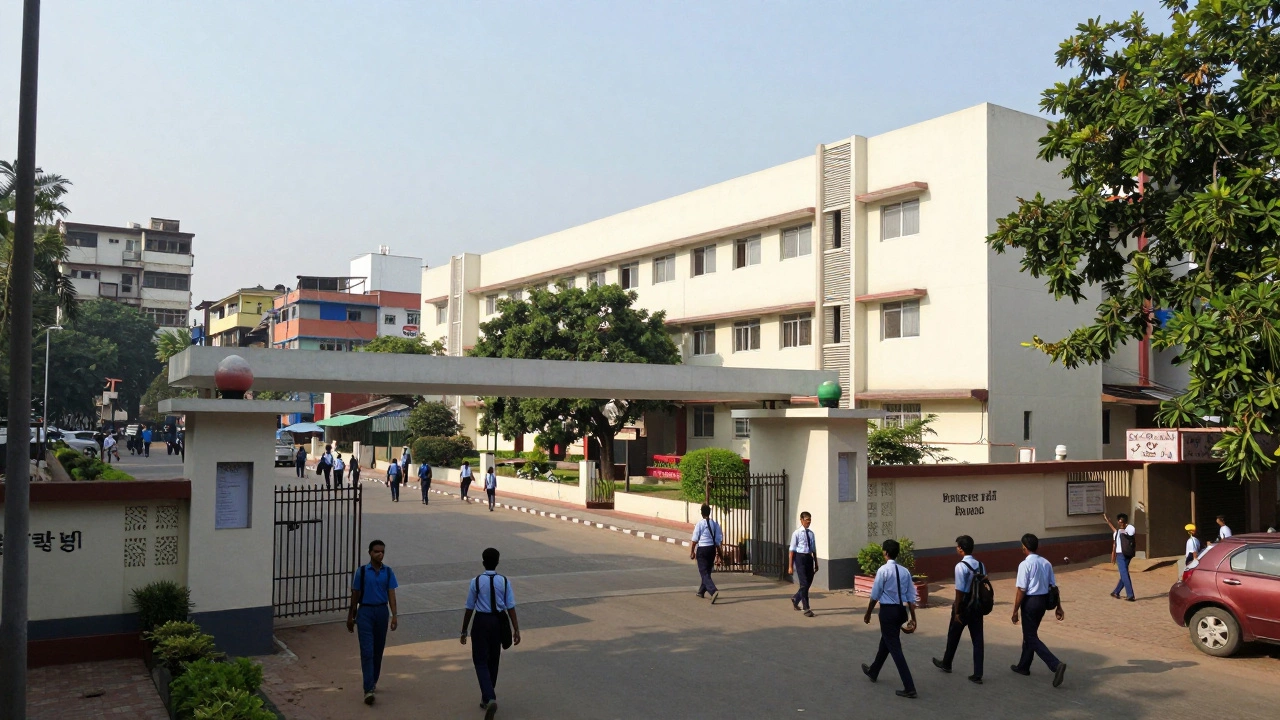
Quick Summary of CBSE Distribution
- Uttar Pradesh usually leads in sheer numbers due to its massive population.
- Delhi has the highest density of CBSE schools per square kilometer.
- Southern states like Karnataka and Tamil Nadu show rapid growth in private CBSE affiliations.
- Urban hubs are the primary drivers for the shift from state boards to CBSE.
The Heavyweights: Which State Leads?
When we talk about the state with the most schools, Uttar Pradesh almost always takes the crown. It is not surprising given that it is the most populous state in India. With millions of students entering the system every year, the sheer volume of institutions required to cater to them is staggering. However, the number of schools isn't the only metric that matters. While UP has the highest count, many of these are smaller, regional schools.
Then you have Delhi. Now, Delhi isn't a state in the same sense as UP or Maharashtra, but it is a powerhouse for the CBSE syllabus. Since the board is headquartered here, the integration is seamless. If you walk through any residential colony in South or West Delhi, you will find a CBSE school every few blocks. The density here is unmatched, making it the epicenter of the board's operations.
Maharashtra and Karnataka follow closely. In these states, the rise of the IT sector in cities like Bangalore and Mumbai has pushed parents toward CBSE. Why? Because the CBSE syllabus is generally seen as more aligned with national competitive exams. If you are aiming for an engineering or medical degree, the board's focus on NCERT textbooks makes it the logical choice.
| Region/State | Primary Driver | Growth Trend | Concentration Area |
|---|---|---|---|
| Uttar Pradesh | Population Volume | Steady | Urban & Semi-Urban |
| Delhi | Administrative Hub | Saturated | High Density Urban |
| Karnataka | Tech Industry / Migration | Rapid | Bangalore & Hubli |
| Maharashtra | Corporate Hubs | High | Mumbai & Pune |
Why the CBSE Syllabus Dominates Urban Areas
Why do so many schools in these specific states ditch the state board for CBSE? It comes down to mobility. In a country where professionals move from Chennai to Gurgaon or Hyderabad to Delhi, a uniform curriculum is a lifesaver. The NCERT (National Council of Educational Research and Training) provides the framework that ensures a 9th-grade student in Kerala is learning the same physics concepts as one in Punjab.
Moreover, the alignment with IIT JEE and NEET is the real clincher. These exams are based largely on the NCERT curriculum. When a school in a state like Tamil Nadu adopts the CBSE board, they are essentially giving their students a head start on these competitive tests. This has led to a massive surge in "corporate schools" across the south that prioritize CBSE over the state's own education board.
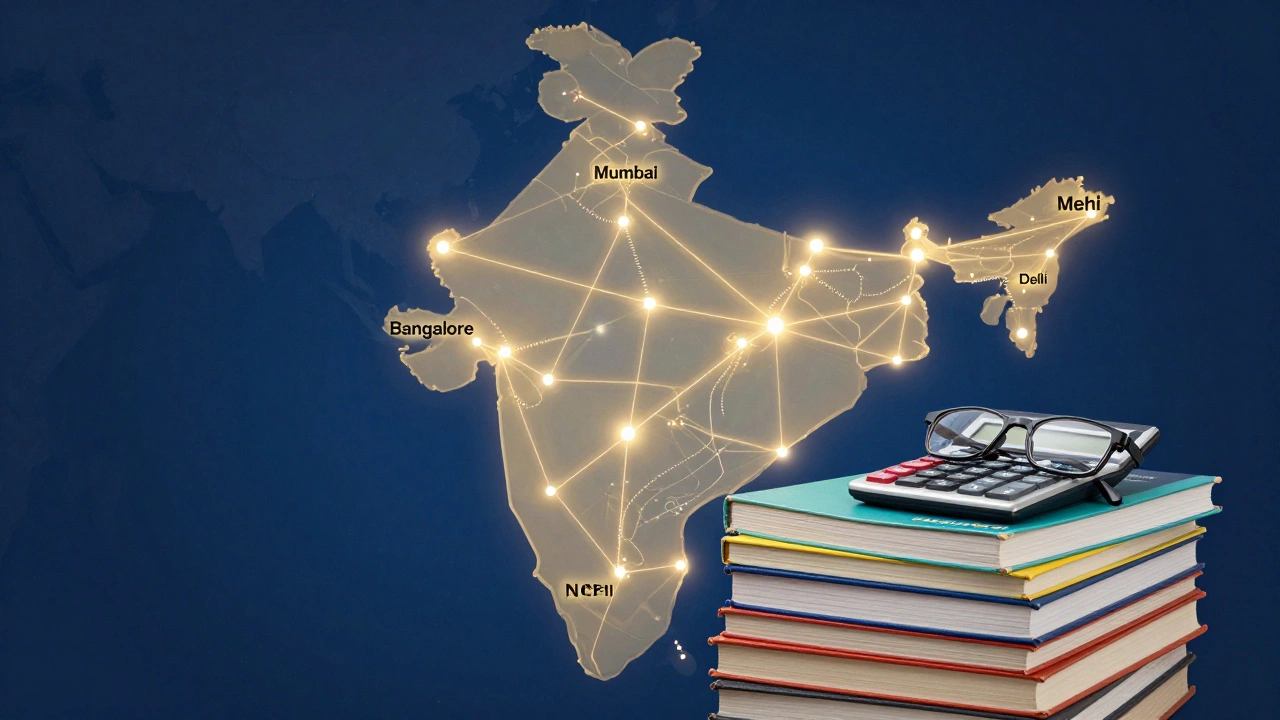
The Role of Affiliation and Regulation
It is important to understand that a school doesn't just "become" a CBSE school overnight. They must apply for Affiliation, which is a formal recognition granted by the board. This process involves strict checks on infrastructure, teacher qualifications, and land ownership. This is why you see more CBSE schools in states with developed urban infrastructure.
In states like Bihar or Jharkhand, you see a mix. While the number of CBSE schools is growing, the state boards still hold a strong grip on rural areas. The cost of implementing the CBSE standard-everything from laboratory equipment to English-medium instruction-often makes it a preference for private, fee-paying institutions rather than government-run rural schools.
Comparison: CBSE vs. State Boards in High-Growth States
In states like Karnataka or Maharashtra, the choice between a state board and CBSE often comes down to the student's future goals. The state board is often better if the student intends to pursue a degree within that state, as local entrance exams sometimes favor the state curriculum. However, CBSE is the gold standard for national reach.
- Language: State boards emphasize the local language (like Kannada or Marathi), while CBSE focuses heavily on English and Hindi.
- Curriculum: CBSE is more standardized; state boards vary wildly from one state to another.
- Exam Pattern: CBSE uses a centralized marking and examination system, which is often perceived as more transparent than some older state board systems.
What to Expect in the Coming Years?
We are seeing a shift. The National Education Policy (NEP) 2020 is aiming to bridge the gap between different boards. As more states implement these reforms, the distinct "edge" that CBSE schools have might level out. However, the brand value of a CBSE certificate remains high for university admissions, both in India and abroad.
Expect to see an even higher concentration of these schools in "Tier 2" cities. Places like Indore, Coimbatore, and Lucknow are seeing a boom in CBSE affiliations as the middle class grows and parents seek the same educational advantages previously only found in metros like Delhi or Mumbai.
Which state has the most CBSE schools by total count?
Uttar Pradesh typically has the highest total number of CBSE schools due to its massive population and the high number of private educational ventures in the state.
Is it better to choose CBSE over a State Board?
It depends on your goals. If you plan to take national exams like JEE or NEET, or if you might move to a different state, CBSE is generally better because of its standardized NCERT-based curriculum.
Why is CBSE so popular in Delhi?
Delhi is the headquarters of the CBSE. The proximity to the board's administration and the high density of professional families who prefer a national curriculum make it the most concentrated area for these schools.
Do all schools in India follow the CBSE syllabus?
No. Many schools follow their respective State Boards, the ICSE (Council for the Indian School Certificate Examinations), or international curricula like IB or Cambridge.
How can a school get CBSE affiliation?
Schools must apply through the CBSE's official portal, meet specific requirements for infrastructure, land, and staffing, and pass an inspection by the board's officials.
Next Steps for Parents and Educators
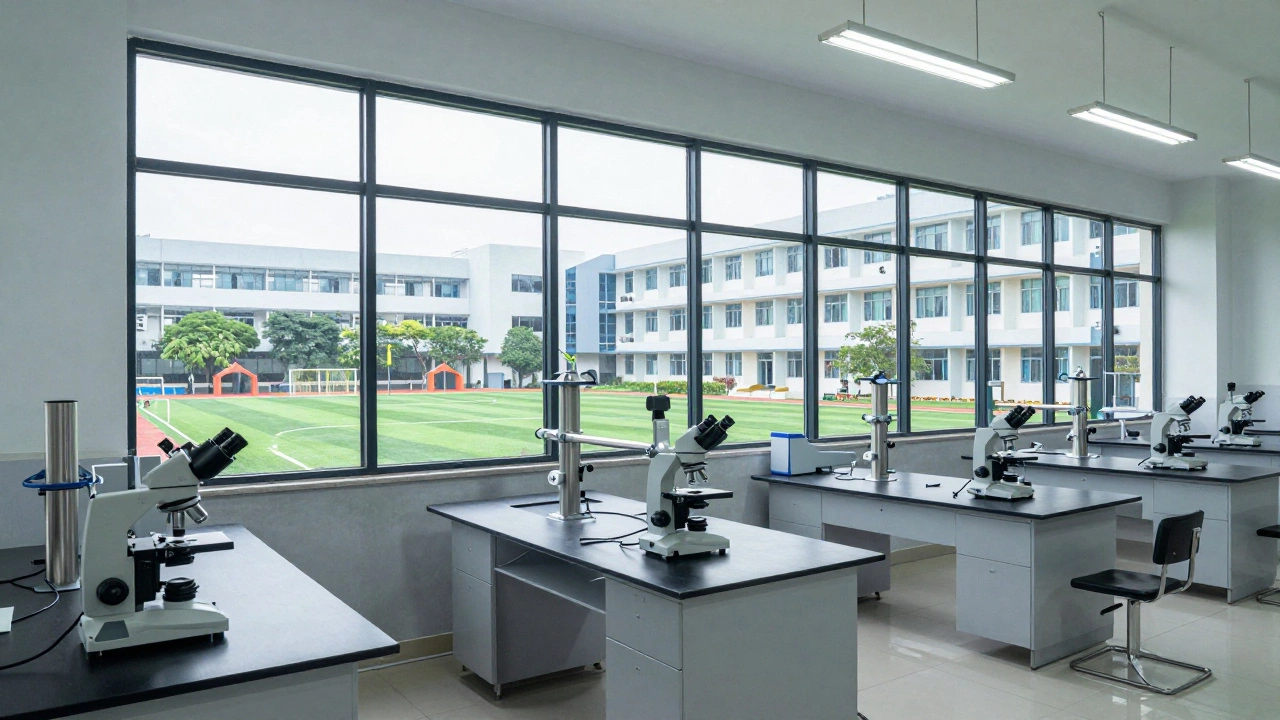
If you are choosing a school, don't just look at the board. Check the school's specific track record with the board's examinations. A CBSE-affiliated school in a high-growth state like Karnataka might have different resources than one in Delhi. Look for the teacher-to-student ratio and the quality of the science labs, as these are the areas where CBSE schools are expected to excel to justify their fees.
